
Tree Trimming West Chester, PA
Professional tree trimming services in Pennsylvania for health and safety.
Professional Tree Care in Pennsylvania
In Pennsylvania, tree trimming keeps your property safe and healthy. Strong winter winds, ice storms, and four distinct seasons demand expert care. We remove hazardous branches, shape trees for better growth, and prevent damage to homes and structures.
How We Work
A clear process from start to finish. We assess your trees, plan the work, and handle cleanup completely.
Assessment
We inspect your trees for dead limbs, disease, and hazards. Pennsylvania's winters create unique stresses we know how to spot.
Planning
We map out each cut, considering branch weight and how growth responds. Safety and tree health guide every decision.
Trimming
We use proper cutting techniques to avoid damage and disease. Each branch is cut at the collar to promote healing.
Cleanup
We haul away all branches and debris, leaving your yard clean and ready. No mess left behind.
You'll always know what's happening next—and when.
Our Services
Tree trimming for every situation. We handle routine maintenance, storm damage, and specialty pruning.
Crown Cleaning and Health
Removing dead, diseased, and crossing branches improves tree structure and air flow. In Pennsylvania, where humidity can promote fungal growth, this trimming reduces disease risk.
Healthy trees resist winter storm damage better and grow stronger each year. We trim trees in Allegheny County and across the state.
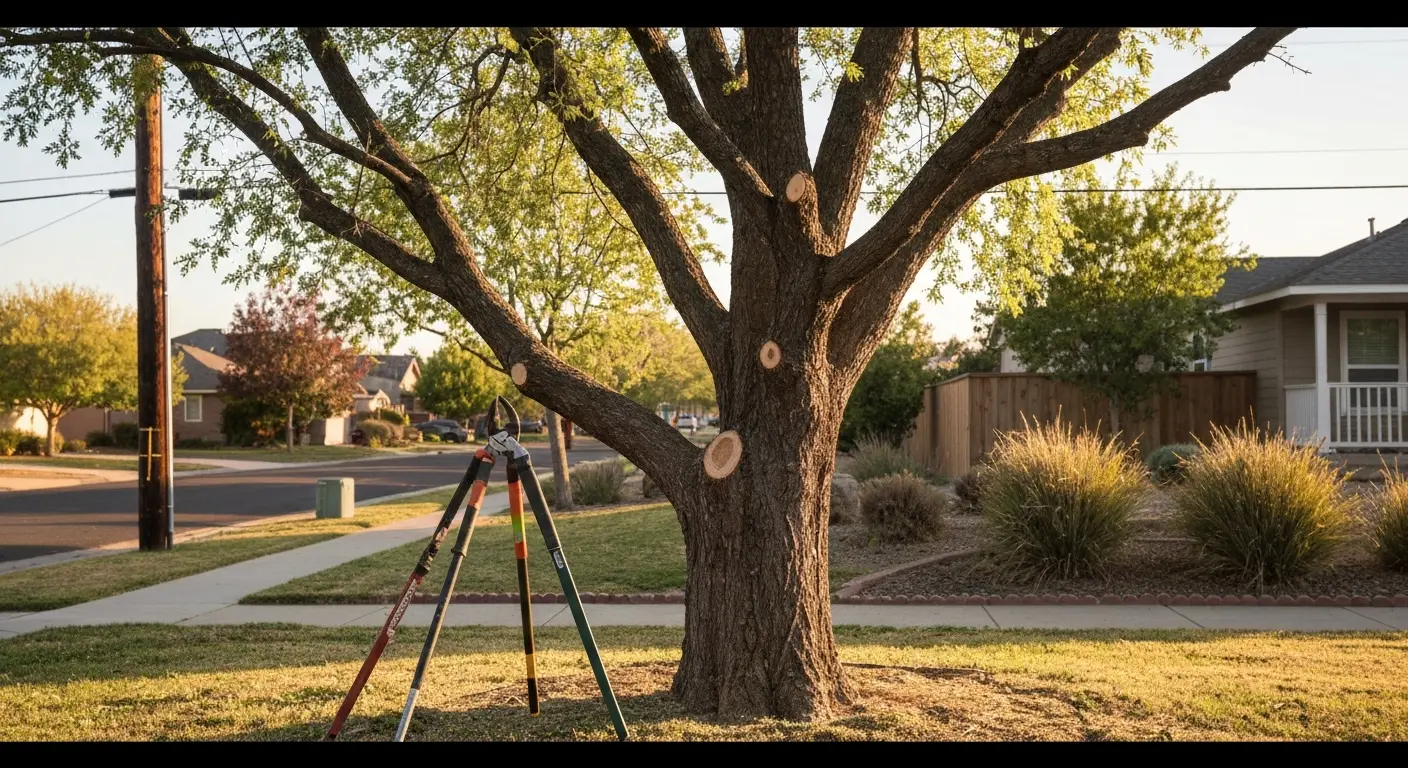
Crown cleaning removes weak limbs and opens the canopy for better light and growth.
Limb Removal and Safety
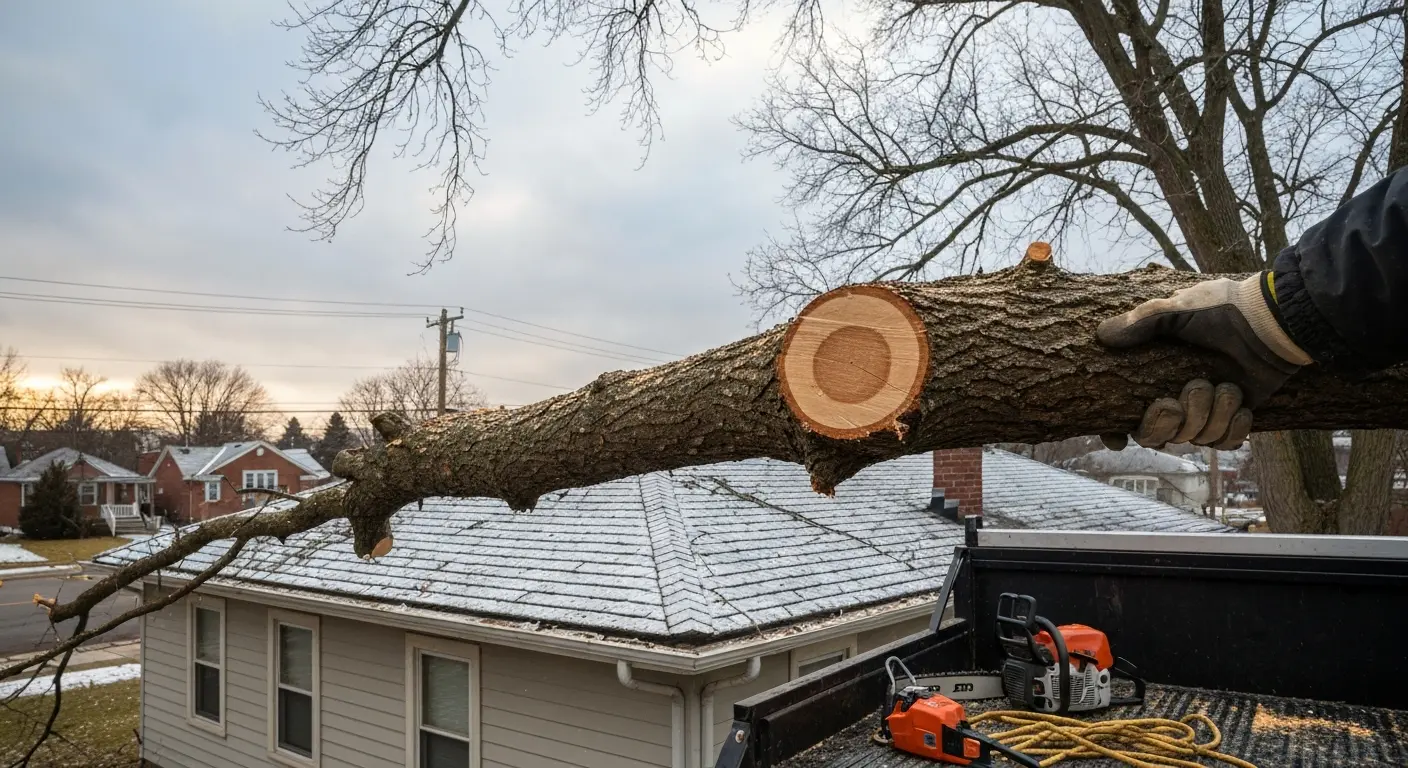
Branches hanging over roofs and structures create hazards in ice and wind storms.
Branches rubbing roofs, near gutters, or hanging over driveways pose real danger. Ice accumulation and heavy snow can bring limbs down without warning.
We identify risk zones and remove branches before they cause damage to your property or neighbors' homes.
Storm Damage Response
Strong winds, heavy snow, and ice storms tear branches and damage trees. Fast cleanup prevents further hazards and infection.
We respond quickly after storms in Pennsylvania. We can access hard-to-reach areas and safely remove hazardous limbs.
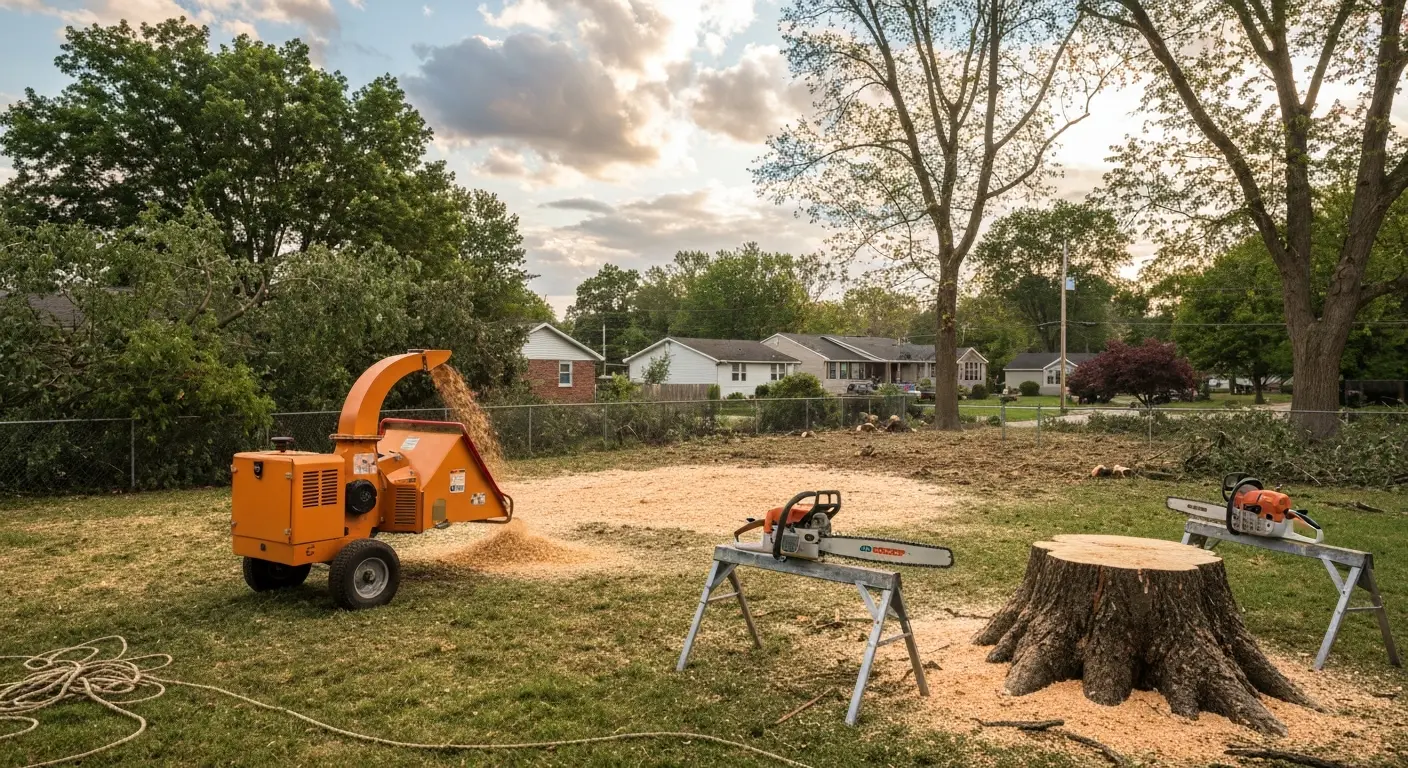
Fast response after storms prevents cascading damage and keeps your yard usable.
Seasonal Trimming for Best Results
Winter dormancy (late January through March) is ideal for most tree pruning in Pennsylvania. Trees heal faster and disease spreads less.
Trimming during dormancy reduces stress on trees and minimizes sap loss. We can also see the full structure without leaves blocking the view.
Why It Matters
Proper tree care protects your home and landscape investment. Regular trimming prevents expensive damage and extends tree life.
Tree Health and Longevity
Healthy trees live longer and add value to your property. Regular pruning removes competing limbs, opening the canopy to sunlight and air.
Trees trimmed correctly respond with stronger growth the next season. In Pennsylvania, where spring arrives with vigor, properly trimmed trees leaf out fuller and develop better structure.
Protection From Winter Storms
Pennsylvania winters bring ice, wind, and heavy snow. Weak branches fail under this weight, damaging homes and yards.
Trees with strong branch attachments and clear structure withstand storms better. Smart trimming now prevents damage later and avoids emergency cleanup costs.
Disease Prevention
Dead and diseased branches spread infection through the tree. Oak wilt, anthracnose, and fungal diseases thrive in Pennsylvania's climate.
Removing diseased wood quickly and using proper technique limits infection spread. Better air circulation reduces humidity around branches where fungi start.
Serving Pennsylvania and Surrounding Areas
We know Pennsylvania's trees, neighborhoods, and weather. Local experience means better decisions for your specific property.
Expertise Across Pennsylvania Communities
From the Philadelphia suburbs on the Main Line to Pittsburgh and beyond, we've trimmed thousands of trees across Pennsylvania.
We understand different microclimates, tree species, and neighborhood characteristics. Dense urban neighborhoods need different approaches than suburban properties or rural areas.
We Understand Your Trees
Pennsylvania's common trees—oaks, maples, ash, and birch—need specific care timing and techniques.
We trim according to each tree's growth pattern, disease risk, and response to pruning. Oak wilt prevention, maple sap management, and ash health all guide our work.
When Is the Best Time to Trim Trees in Pennsylvania?
The best time for pruning trees in Pennsylvania is during their dormant season, ideally between late January and early March. This timing minimizes stress on trees and allows them to heal quickly when spring growth begins.
- Pruning during the dormant season, ideally between late January and early March, minimizes disease spread and promotes faster healing.
- When branches are bare in winter, it's much easier to spot weak attachments, crossing limbs and poor structure. After trimming, trees naturally redirect stored energy into healthy branches and air circulation throughout the canopy reduces disease risk.
- Large trees can be trimmed at any point in the year if safety is a concern, but dormancy remains optimal for most routine pruning.
Ready to schedule your tree trimming? Call or request an estimate online today.
Frequently Asked Questions
Common questions about tree trimming in Pennsylvania
How often should I trim my trees?
Most mature trees need trimming every 3–5 years. Young trees may need more frequent shaping, while older trees need regular maintenance to stay healthy. We'll assess your trees and recommend a schedule.
Is trimming safe for my tree?
Yes, proper trimming improves tree health. Removing dead, diseased, and crossing branches opens the canopy and reduces disease risk. We follow arboricultural standards to protect your tree's structure and long-term health.
Can you trim trees near my roof or power lines?
Yes, we safely remove branches that hang over roofs, gutters, and structures. For branches near power lines, we coordinate with utility companies for safe removal and follow all regulations.
What if my tree has storm damage?
We respond quickly to storm damage. Broken or hanging branches create hazards and invite disease. We remove damaged limbs safely and trim torn edges to promote healing.
Do you trim evergreen and flowering trees differently?
Yes. Deciduous trees trim best in dormancy. Flowering trees need pruning right after blooms fade to preserve next year's flowers. Evergreens trim well in early spring. We adjust timing for each tree type.
DISCOVER WHAT OUR CUSTOMERS HAVE TO SAY ABOUT US
REVIEWS
proudly serving these areas
West Chester, PA
Malvern, PA
Exton, PA
Downingtown, PA
Coatesville, PA
Kennett Square, PA
Newtown Square, PA
Chadds Ford, PA
READY TO take the next step?
get a free quote TODAY!
QUICK LINKS
our services
service areas
operating HOURS
Mon: 6:00 am - 8:00 pm
Tue: 6:00 am - 8:00 pm
Wed: 6:00 am - 8:00 pm
Thu: 6:00 am - 8:00 pm
Fri: 6:00 am - 8:00 pm
Sat: 6:00 am - 8:00 pm
Sun: Closed - Closed